
A Perspective by JJ Steeley | Water Unlocks the World
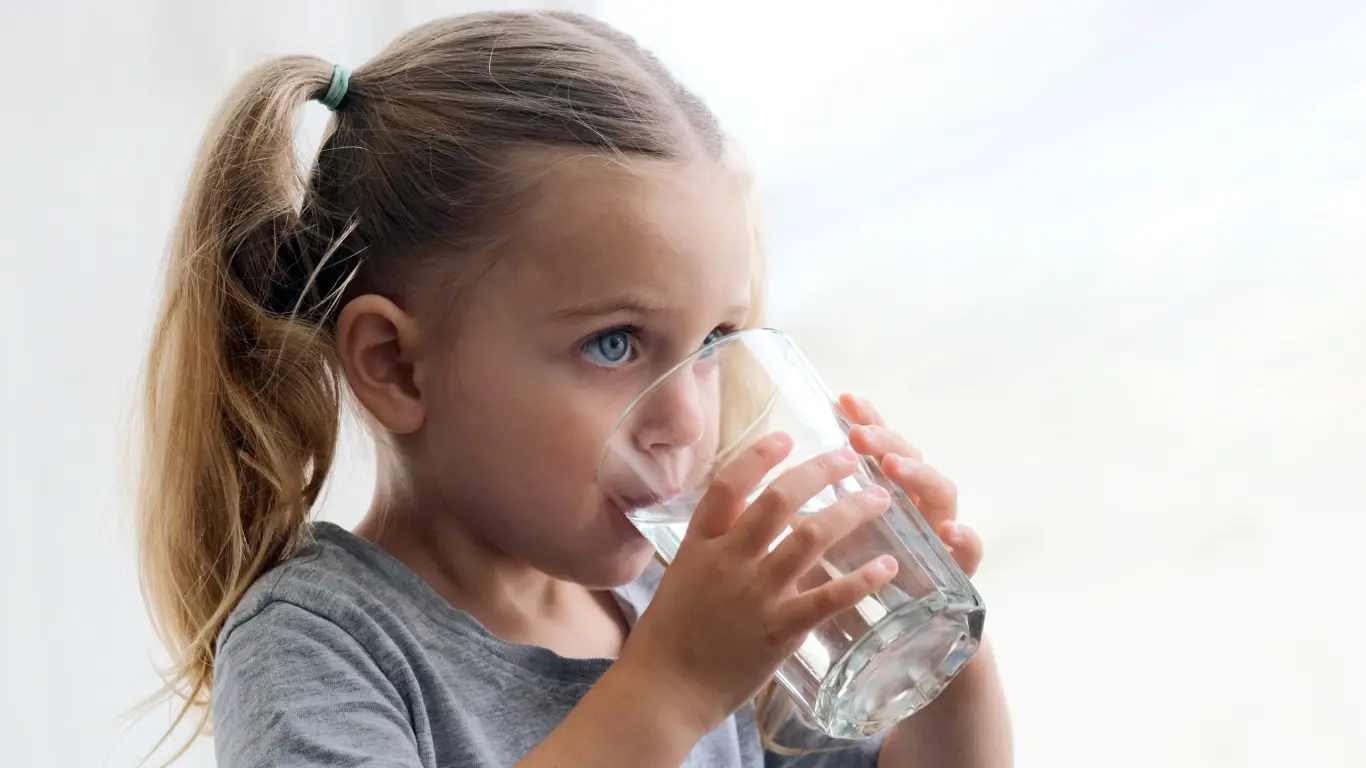
Fill a glass from the tap, and it’ll take you maybe thirty seconds, if that. You just turn the handle, and water shows up. You drink it and move on with your day.
Weird to say, perhaps, but water is its own worst enemy. It works so well in most places here in the US that it has practically disappeared from the conversation about the state of our planet. Ask someone what they're doing to make things better and you'll hear about their EV, their solar panels, or maybe buying from the secondhand shop. You will rarely hear about water. If you think hard about the last time you heard about water in the news, you’ll think about a faraway place like Cape Town nearly running out of water, or maybe microplastics. But guaranteed, you’ll have to work a bit to call up an example of water in the public dialogue.
The Loudest Conversation in the Room
For good reason, the last two decades of sustainability conversation have been dominated by carbon, methane, and the power grid. Emissions are an enormous problem and require herculean attention and effort. I spent a decade on GHGs myself.
But it is indeed striking. Everyone's talking about the emissions from the factory; almost nobody's asking whether the factory is using so much water that the town around it is full of people watching their wells run dry. Granted, AI data centers are having a moment. But you can also see how Big Tech is rapidly snuffing out water concerns with countercampaigns focused on their efficient new technologies, or even by by comparing its relatively small water use to growing almonds. Give it a few months. The news cycle will move on, and chatter about water will quiet down.
But think about it from this perspective: a person can go a long time without power. Weeks, if they have to; humans have lived through blackouts and even entire grid failures, and adjusted pretty effectively. A body cannot do the same thing with water. Go without it for more than a few days, medical experts will tell you, and you're no longer talking about inconvenience. You're talking about survival. What about crops in the field? They won’t last long. No one talks about water, and as a result, regular folks are genuinely unaware of how almost every product we use was made with enormous amounts of water. Yes, I’m talking about those cotton socks you’re wearing, your phone, all of it.
The thing we almost never discuss is the thing we can least afford to lose. I find that to be an important disconnect.
Why the Quiet One Gets Ignored
None of this is anyone's fault, exactly. Power outages make the news because they happen all at once, to everyone, on camera. The lights go off in a city and it's a story. Water failure rarely announces itself that way. It shows up as a girl who walks two extra hours to a well that's still running, or a clinic that can't sterilize equipment or wash patients. It could be a farmer watching a planting season slip away. In my daily work at Aquaria, its typically a couple in their 60s who raised their kids in their home in Texas, only to find that they have to keep drilling their well deeper and deeper with no guarantee of success. Calling water trucks to get into the packed delivery schedule. These things happen one household, one town, one region at a time, invisible to anyone not right there on the ground witnessing it. There's typically no single dramatic morning when "the water went out" for the whole world to watch. It just erodes, quietly, in a thousand places most of us will never see.
That invisibility is precisely why it's been so underfunded and ignored relative to how much it actually matters.
The Upside of Being Overlooked
When something this essential has been this overlooked for this long, it means there's an enormous amount of value waiting to be claimed. Every dollar, every hour, every ounce of human potential that's been quietly lost to scarce water isn't gone for all time. It's waiting on the other side of a problem that, once solved, unlocks all that waste and turns it into value.
Once you see water this way, you can't really unsee it. It stops looking like a background utility and starts looking like one of the biggest, least-tapped levers we have.
The opportunity is bigger than most people expect: Agriculture, small businesses, large industries, entire local economies, and the hours of a person's day that can be applied to better pursuits.
Water is worth its own conversation. Thank you for joining me in it!
---
This is the first of a two-part perspective series within Water Unlocks the World, a blog series by Aquaria exploring the transformative potential of atmospheric water generation across all 17 UN Sustainable Development Goals. Part two: what's actually waiting on the other side of that door.
Subscribe to our Newsletter
Get the latest updates, news and insights directly to your inbox
No payments for 6 months. Get your Hydropixel delivered free in the continental US.
Get Your Free Water Plan
Two quick steps. We'll send the right system size, expected output for your climate, and exact pricing — usually within one business day.