Water You Can
Independently tested. Zero PFAS¹. Clean water for families who won’t settle for guesswork.
1 Zero PFAS reflects results from third-party testing under controlled conditions. Actual performance may vary.

Zero PFAS reflects results from third-party testing under controlled conditions. Actual performance may vary.
Texas Tap Water
From arsenic in wells to boil notices in cities — water quality in Texas is increasingly unpredictable².
Water contamination insights are based on verified datasets from the U.S. EPA, Texas Commission on Environmental Quality (TCEQ), U.S. Geological Survey (USGS), and Environmental Working Group (EWG), compiled in the 2025 Water Stress Index by Salford & Co. The Index incorporates PFAS presence, agricultural runoff, lead pipe violations, and Boil Water Notices to assess groundwater safety and infrastructure vulnerability across Texas.

Water contamination insights are based on verified datasets from the U.S. EPA, Texas Commission on Environmental Quality (TCEQ), U.S. Geological Survey (USGS), and Environmental Working Group (EWG), compiled in the 2025 Water Stress Index by Salford & Co. The Index incorporates PFAS presence, agricultural runoff, lead pipe violations, and Boil Water Notices to assess groundwater safety and infrastructure vulnerability across Texas.
Safe Drinking Water
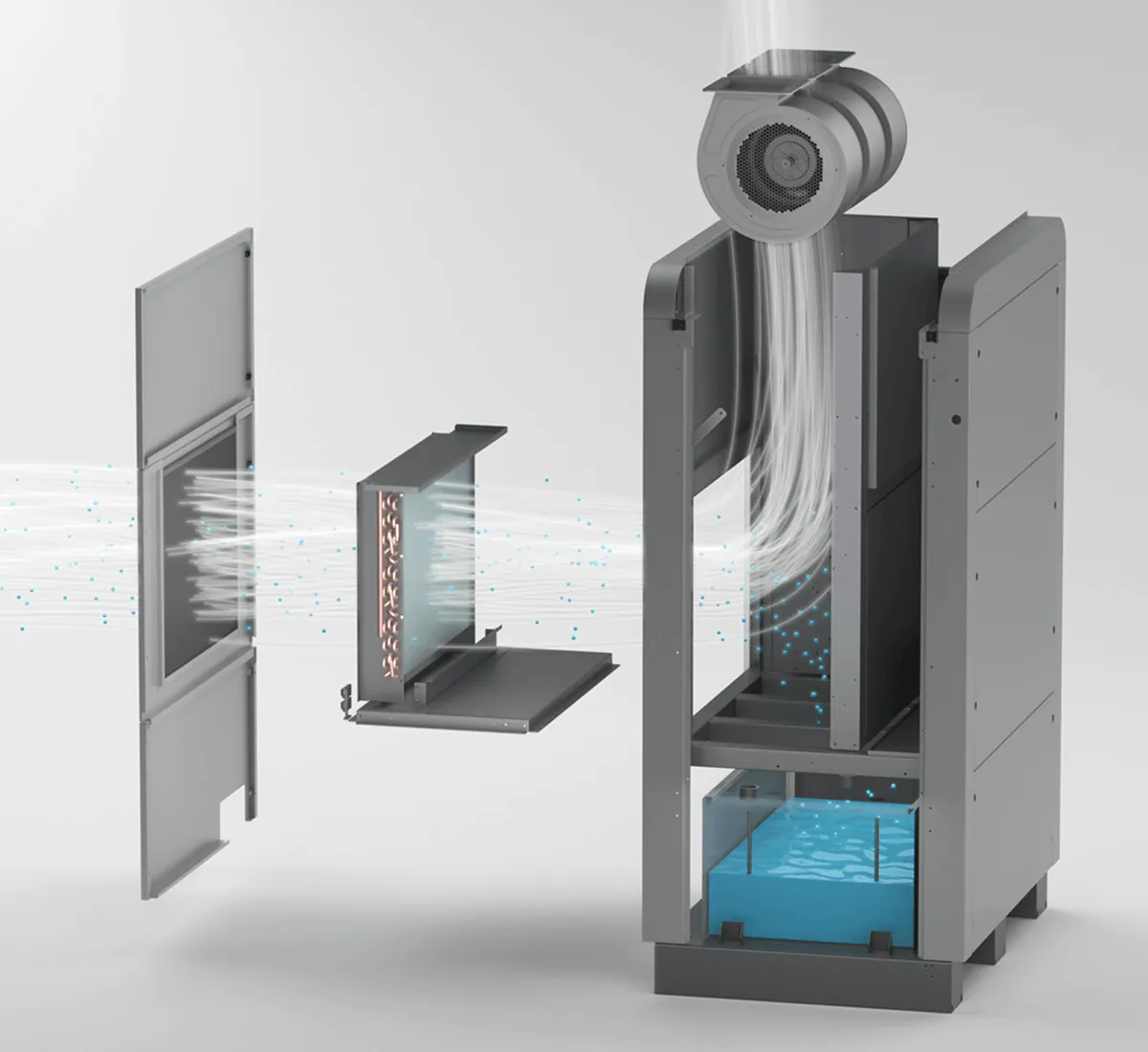
Our Hydropack systems create safe, lab-verified water without pipes or wells — perfect for Texas homes.
Texas Water at a Glance
Texas water systems are under pressure. Aging infrastructure, industrial runoff, and natural contaminants are leading to more frequent boil notices, PFAS detections, and rising public concern over what's coming out of the tap.
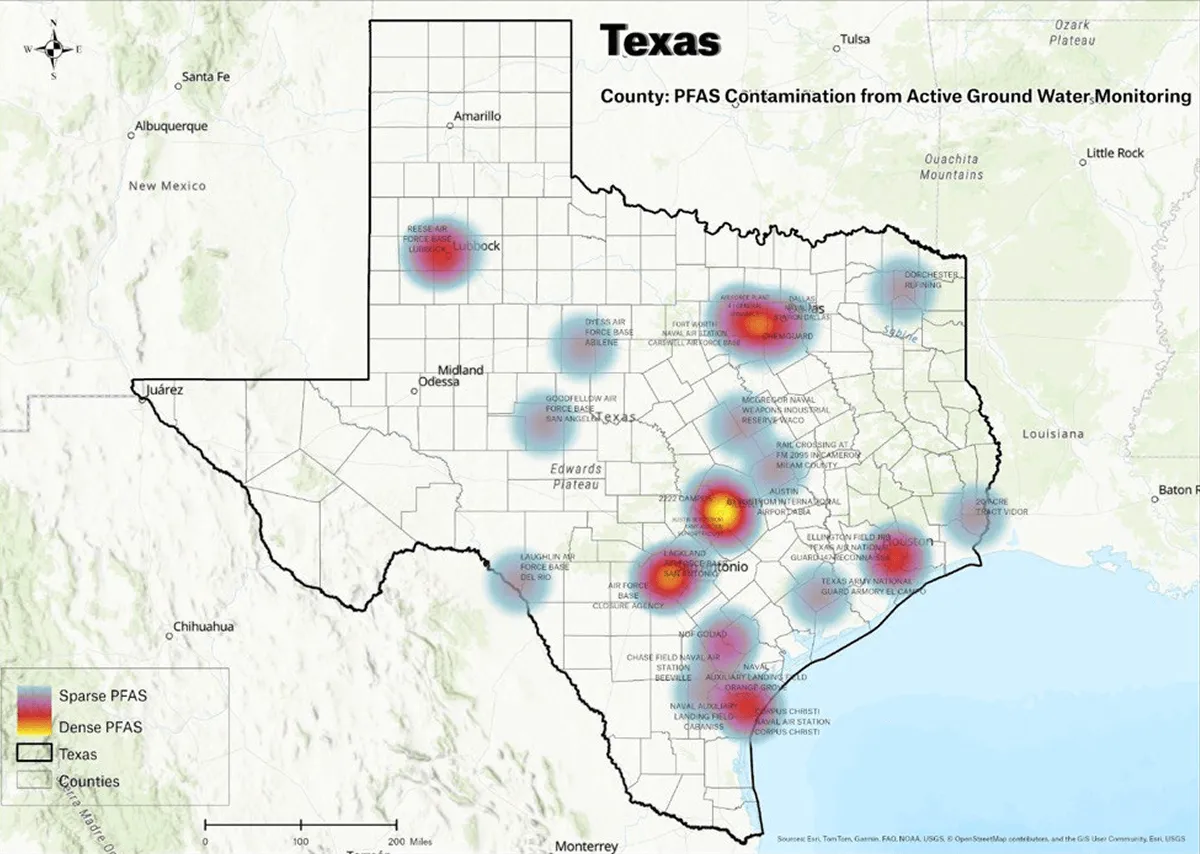
Why it matters: Linked to immune issues, reproductive harm, and cancer.
Where it’s found: Detected in both public water systems and groundwater aquifers¹ across Texas, affecting city and well water alike.
Why it matters: Carcinogenic over long-term exposure.
Where it’s found: Naturally present in groundwater2 – especially in Central and West Texas.
Why it matters: Harmful to infants and pregnant women.
Where it’s found: Found at high levels3 in rural, agricultural areas.
Why it matters: Under investigation for hormone disruption and health risks.
Where it’s found: Present in treated municipal water4 with aging pipes and wells in Texas.
PFAS
Linked to immune issues, reproductive harm, and cancer. Detected in both public water systems and groundwater aquifers across Texas, affecting city and well water alike.
Arsenic
Carcinogenic over long-term exposure. Naturally present in groundwater — especially in Central and West Texas.
Microplastics
Under investigation for hormone disruption and health risks. Present in treated municipal water with aging pipes and wells in Texas.
Nitrates
Harmful to infants and pregnant women. Found at high levels in rural, agricultural areas from fertilizer runoff and livestock waste.
Verified by an ISO-accredited lab
All testing was performed by SimpleLab, an independent ISO-accredited laboratory. Six downloadable reports back every claim on this page — no guesswork.

Aquaria Hydropacks and Hydropixels
vs. Texas Water
Independently tested by SimpleLab*, an award-winning independent lab focused on testing drinking water. Here's how Aquaria compares to typical Texas well and utility water.
*SimpleLab is a leading independent lab accredited by ISO and other scientific institutions. SimpleLab’s water analysis is trusted by consumers, local governments, and environmental experts across the U.S. It adheres to the highest industry standards and provides transparent, easy-to-understand results.
Test results may vary depending on model, environment, and filter configuration. All tests conducted by SimpleLab, a trusted ISO-accredited lab.
1 Microplastics results are based on third-party lab testing of the Aquaria Hydropixel. Testing for the Hydropack model is currently in progress. Results may vary across product models depending on filtration configuration and source air quality.
View Our Reports
How We Turn Air into Safe Drinking Water

“The water tastes great, and I don't have to go to the store to buy it.”
Trusted by families across the U.S. for safe, great-tasting water — straight from the air.
Frequently Asked Questions (FAQs)
The water from Aquaria Hydropack series or Hydropixel is filtered as part of the generation process and exceeds EPA standards straight from the system — no additional filter or treatment required. If you'd like ongoing peace of mind, we recommend a simple annual third-party water test on your installation to confirm performance over time.
Tap water quality depends on your local source and infrastructure, and can carry PFAS, arsenic, nitrates, or microplastics; bottled water adds ongoing cost and plastic waste. Aquaria water is made on-site from air and tested non-detect for those same contaminants, so you get consistent, verified quality without a monthly delivery or an uncertain source. It also comes out at a balanced pH of 6.5–8.5.
All of our water testing is performed by SimpleLab, an award-winning, independent, ISO-accredited laboratory that specializes in drinking water. We publish the full results — six downloadable lab reports covering PFAS, microplastics, and overall water quality for both the Hydropack series and Hydropixel — right on this page. We recommend reviewing them, and once your system is installed we suggest a simple annual third-party test to confirm performance over time.
In an independent lab testing by SimpleLab, Aquaria water came back "Not Detected" for all four contaminants we test for: PFAS ("forever chemicals"), arsenic, nitrates, and microplastics. For comparison, typical Texas utility water in the same tests showed measurable PFAS (around 0.025 PPB), arsenic (around 0.0075 PPM), and nitrates (around 0.73 PPM). Because the water is generated from air rather than drawn from the ground or a municipal line, it doesn't start with the contaminants those sources can carry.
Yes. Every drop passes through multi-stage filtration, and in independent lab testing by Microbac Laboratories, Pace Analytical, and EMSL Analytical, Aquaria's water was non-detect for 100+ contaminants, no microplastics, PFAS, or dissolved heavy metals. We recommend an annual third-party water test on your own installation to confirm performance over time.